AI Instant Checkout: Amazon’s Biggest Threat?
AI Instant Checkout: Amazon’s Biggest Threat?
Monday, January 26, 2026
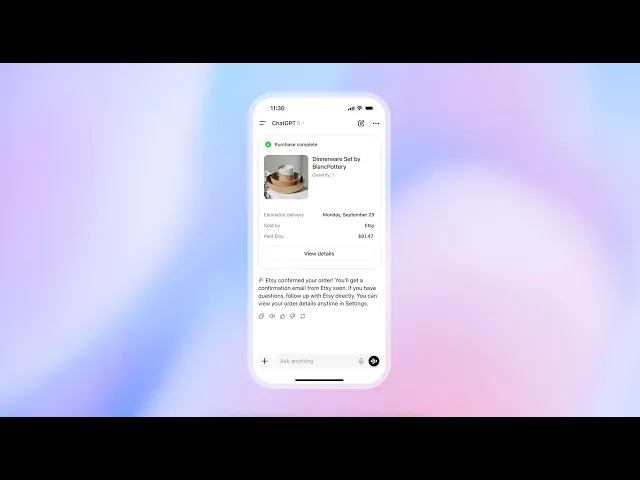
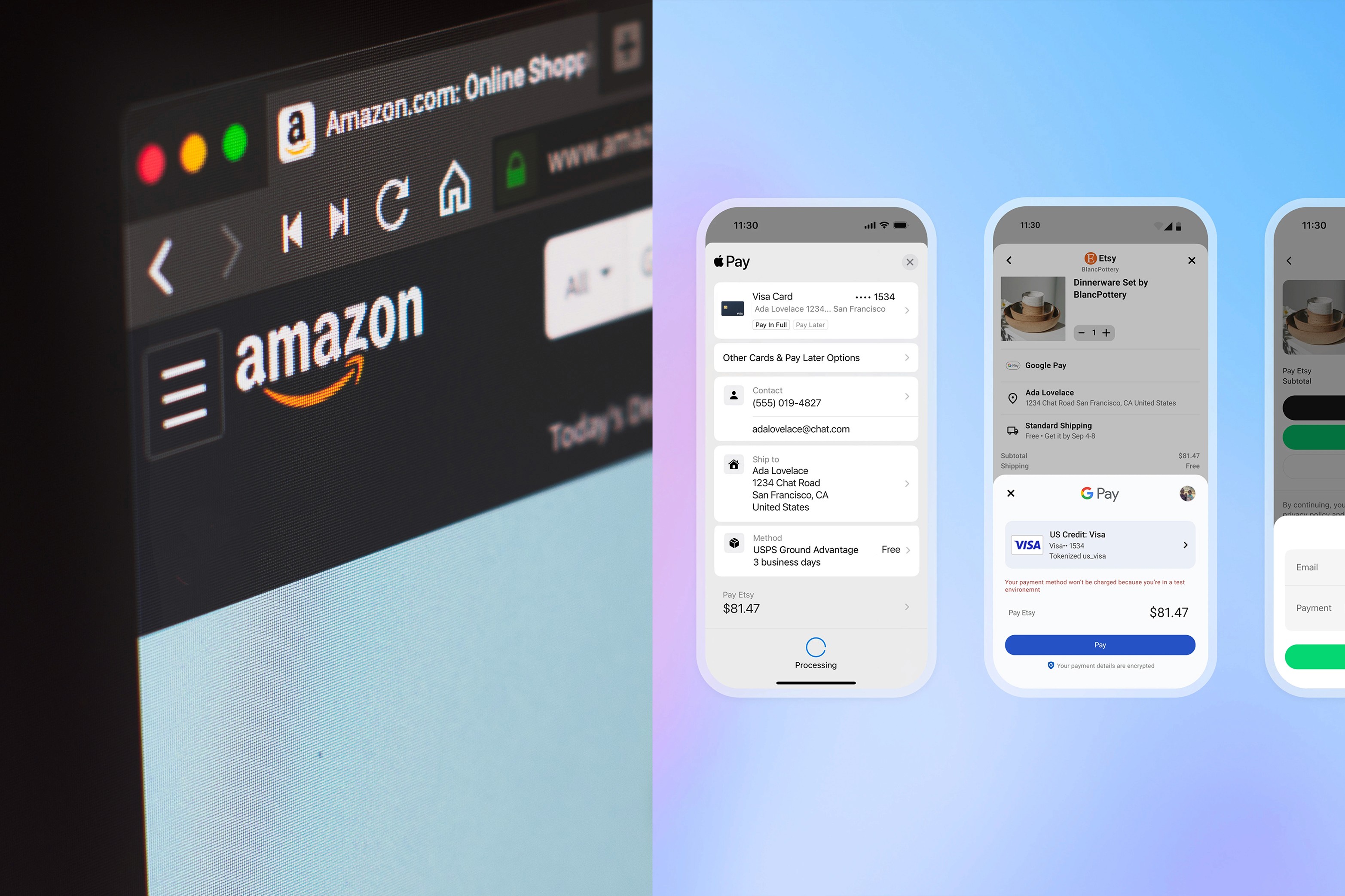
In 2026, Amazon’s retail dominance is facing its most significant threat to date. The challenger is not a rival marketplace. It is the new "Instant Checkout" capabilities embedded directly into AI assistants like ChatGPT and Google's Gemini.
In 2026, Amazon’s retail dominance is facing its most significant threat to date. The challenger is not a rival marketplace. It is the new "Instant Checkout" capabilities embedded directly into AI assistants like ChatGPT and Google's Gemini.

Oli Yeates
Oli Yeates
CEO & Founder
CEO & Founder
Amazon won the e-commerce war by pioneering "1-Click" purchasing, removing friction from the buying process. Today, AI has removed the final barrier: the need to visit a storefront at all.
The Shift to "Agentic Commerce"
Consumers no longer need to browse websites for everyday products. They can simply prompt their AI to "buy coffee pods" or "find a highly rated phone charger under £20". The AI researches, compares, and completes the transaction instantly.
This hyper-convenient purchasing loop bypasses traditional search engines and retail marketplaces entirely. The commercial viability of this shift is already clear, with tech giants moving quickly to monetise the space. As we recently explored, OpenAI is set to charge a 4% fee on all ChatGPT sales, highlighting just how lucrative this new sales channel is expected to be.
Why Everyday Items are the Battleground
This shift specifically threatens Amazon's core business of low-consideration, everyday household items.
While consumers still want to visually browse for high-consideration purchases like fashion, items like batteries, pet food, and cleaning supplies are ripe for AI automation.
The data highlights this rapid shift in consumer behaviour:
The global voice and conversational commerce market is booming, with voice commerce alone projected to reach $252.5 billion by 2034.
Adobe reports that 36% of consumers have already discovered a new product or brand via ChatGPT.
If an AI can instantly reorder detergent via a voice command, the need to open the Amazon app disappears. Amazon loses the search traffic, the advertising revenue, and the customer loyalty.
How Brands Must Adapt
At Clicky, we advise our clients to pivot their strategies for this new era of commerce. If ChatGPT and Gemini are the new gatekeepers of everyday purchases, your marketing must change:
Answer Engine Optimisation (AEO): Traditional SEO is no longer enough. You must structure product data and generate high-quality reviews so LLMs (Large Language Models) can easily find and recommend your products.
Top-of-Mind Brand Loyalty: If a user tells Gemini to "buy toothpaste", the AI chooses the default. If the user says "buy Colgate", the brand wins. Brand awareness is critical.
Omni-channel Readiness: Retailers must ensure their platforms integrate with the latest infrastructure powering these AI agents. A key example is Google's newly unveiled Universal Commerce Protocol, which standardises how AI interfaces with online inventory to capture instant sales.
Final Thoughts
For the first time in a decade, the ultimate path of least resistance for shoppers may not lead to Amazon.co.uk. For brands ready to adapt, this is a prime opportunity to intercept customers at the exact moment of intent.
Amazon won the e-commerce war by pioneering "1-Click" purchasing, removing friction from the buying process. Today, AI has removed the final barrier: the need to visit a storefront at all.
The Shift to "Agentic Commerce"
Consumers no longer need to browse websites for everyday products. They can simply prompt their AI to "buy coffee pods" or "find a highly rated phone charger under £20". The AI researches, compares, and completes the transaction instantly.
This hyper-convenient purchasing loop bypasses traditional search engines and retail marketplaces entirely. The commercial viability of this shift is already clear, with tech giants moving quickly to monetise the space. As we recently explored, OpenAI is set to charge a 4% fee on all ChatGPT sales, highlighting just how lucrative this new sales channel is expected to be.
Why Everyday Items are the Battleground
This shift specifically threatens Amazon's core business of low-consideration, everyday household items.
While consumers still want to visually browse for high-consideration purchases like fashion, items like batteries, pet food, and cleaning supplies are ripe for AI automation.
The data highlights this rapid shift in consumer behaviour:
The global voice and conversational commerce market is booming, with voice commerce alone projected to reach $252.5 billion by 2034.
Adobe reports that 36% of consumers have already discovered a new product or brand via ChatGPT.
If an AI can instantly reorder detergent via a voice command, the need to open the Amazon app disappears. Amazon loses the search traffic, the advertising revenue, and the customer loyalty.
How Brands Must Adapt
At Clicky, we advise our clients to pivot their strategies for this new era of commerce. If ChatGPT and Gemini are the new gatekeepers of everyday purchases, your marketing must change:
Answer Engine Optimisation (AEO): Traditional SEO is no longer enough. You must structure product data and generate high-quality reviews so LLMs (Large Language Models) can easily find and recommend your products.
Top-of-Mind Brand Loyalty: If a user tells Gemini to "buy toothpaste", the AI chooses the default. If the user says "buy Colgate", the brand wins. Brand awareness is critical.
Omni-channel Readiness: Retailers must ensure their platforms integrate with the latest infrastructure powering these AI agents. A key example is Google's newly unveiled Universal Commerce Protocol, which standardises how AI interfaces with online inventory to capture instant sales.
Final Thoughts
For the first time in a decade, the ultimate path of least resistance for shoppers may not lead to Amazon.co.uk. For brands ready to adapt, this is a prime opportunity to intercept customers at the exact moment of intent.
more BLogs
more BLogs