Matt Jones · 22 May 2026
Google Display Ads Move to Demand Gen: What the Migration Means for Advertisers
Google is folding Google Display Ads into Demand Gen, with the migration expected to complete in 2027. Matt Jones explains what is actually changing, why Google is doing it, the reach and ROI claims worth a second look, and the four things advertisers should do now to migrate on their own terms.
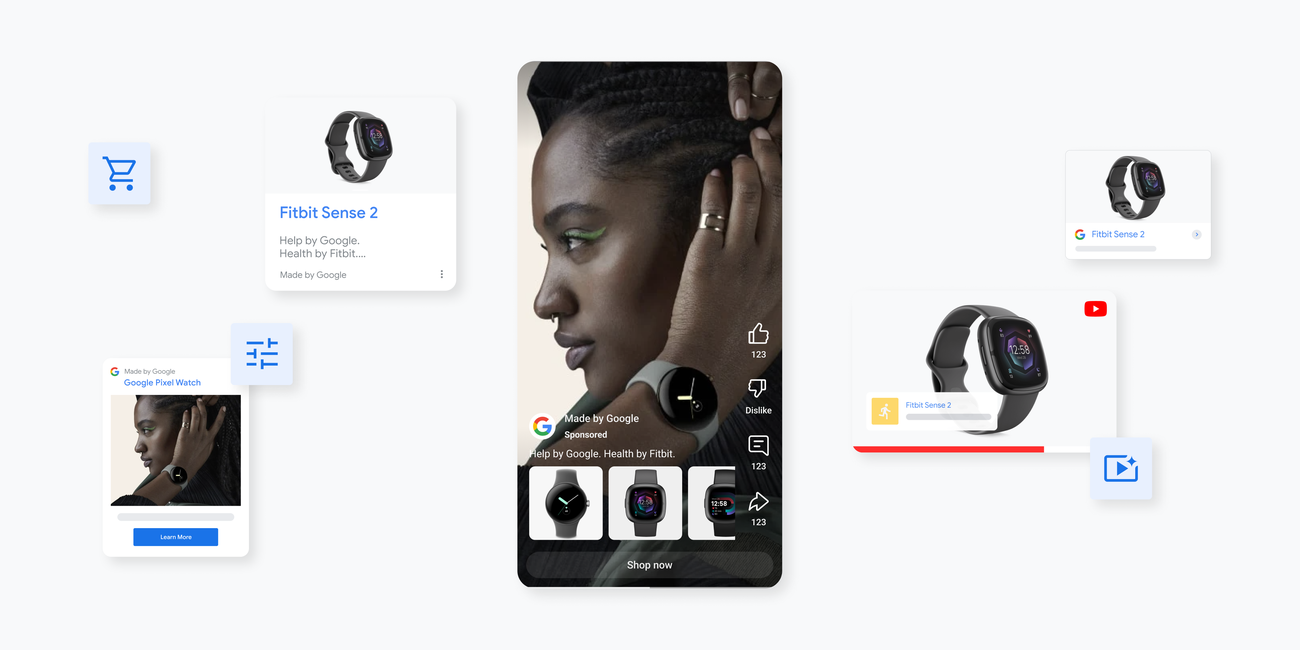
Google has confirmed that Google Display Ads are moving into Demand Gen. From now until an expected completion in 2027, the Google Display Network (GDN) will stop being a standalone product and instead become a set of surfaces you reach through Demand Gen campaigns. If you run display, this is one of the bigger structural changes to Google Ads in years, so it is worth understanding what is actually happening before the migration tool lands in your account.
What is actually changing
Today, Display and Demand Gen are separate campaign types with separate logic. Google is collapsing that distinction. Demand Gen becomes the single home for visual, audience-led advertising, and the Display Network becomes one of the places those campaigns can serve. In practice that means:
- New display advertising is built inside Demand Gen rather than in a dedicated Display campaign.
- Existing Display campaigns will be migrated over time, with Google providing a migration tool and guidance through the transition.
- The full rollout is expected to complete in 2027, so this is a phased change, not an overnight switch.
- If you specifically want to serve only on GDN, Google says you will keep the option to do that through channel controls.
The headline pitch is reach. A Demand Gen campaign with GDN switched on can serve across the 2 million sites, videos and apps on the Display Network, plus YouTube, Discover, Gmail and Maps, all from one campaign rather than several.
The numbers Google is leading with
Google is supporting the change with a few performance figures:
- Advertisers who add GDN to their Demand Gen campaigns see an average 9.5% increase in ROI.
- A named case study, GoFood, reports a 24% decrease in CPA and 19% higher conversion volume after adding GDN.
These are encouraging, but read them for what they are. A 9.5% average ROI lift across all advertisers who opted in is a self-selecting sample, and an average hides a wide spread. The GoFood result is a single case study chosen to make the point. Neither tells you what will happen to your account, and that is the bit that matters.
Why Google is doing this
Strip away the messaging and the logic is straightforward. Google wants more automation and more inventory inside fewer, AI-driven campaign types. Demand Gen is its modern, creative-led, audience-signal-led product, and folding Display into it pushes spend toward Google's machine learning rather than the manual placement and audience controls that seasoned display buyers are used to. It is the same direction of travel as Performance Max: broader reach, more automation, less granular control.
That is not automatically a bad thing. Demand Gen genuinely does some things well, particularly creative variety across formats and surfaces and audience modelling at scale. But it does change who is in charge of the levers, and advertisers who relied on tight placement exclusions, granular bidding or specific audience targeting in Display should expect to manage those things differently.
What advertisers should do now
There is no need to panic, but there is a case for getting ahead of this rather than waiting for the migration tool to make decisions for you. We would do four things.
First, audit your current Display campaigns before anything moves. Document what is working, which placements and audiences drive results, and which exclusions you rely on, so you have a clean baseline to compare against once you are in Demand Gen.
Second, get comfortable with Demand Gen now while Display still exists. Build a test campaign, learn the creative requirements across formats, and understand the channel controls before you depend on them. It is far better to learn the platform on your terms than during a forced migration.
Third, protect your measurement. Demand Gen leans heavily on automation and broad reach, which makes clean attribution harder. Decide how you will judge success, whether that is incrementality testing, brand-lift work or blended efficiency, rather than letting last-click reporting flatter or punish the channel unfairly.
Fourth, mind your brand safety and exclusions. Wider automatic reach across millions of sites and apps is exactly where placement quality slips. Make sure your exclusion lists, content settings and channel controls carry over rather than quietly resetting in the move.
Our verdict
This is a sensible consolidation dressed up as a reach opportunity. For a lot of advertisers, running display through Demand Gen will be fine and in some cases better, because the cross-surface reach and creative tooling are genuinely strong. The risk is not the destination, it is sleepwalking into it: handing more control to automation, losing the placement discipline that kept display efficient, and judging the result on the wrong metric.
Treat the 2027 timeline as a runway, not a deadline to ignore. The advertisers who come out ahead will be the ones who learn Demand Gen deliberately, keep their measurement honest, and migrate on their own terms.
If you want help making the move to Demand Gen without losing the control and efficiency your display campaigns have today, that is exactly the kind of thing our Google Ads and wider paid media teams handle every day. Get in touch and we will look at your account and build a migration plan around your numbers.