Tuesday, December 9, 2025 / Clicky News

Grok 4.2 demonstrates dynamically inserted in-video ads : Halftime

Grok 4.2 demonstrates dynamically inserted in-video ads : Halftime

Hidden in the threads of the Grok 4.20 announcement last night was a feature that could fundamentally change how we approach video advertising. It is called Dynamic In-Video Insertion, and it is powered by the new generative capabilities of Grok 4.20.
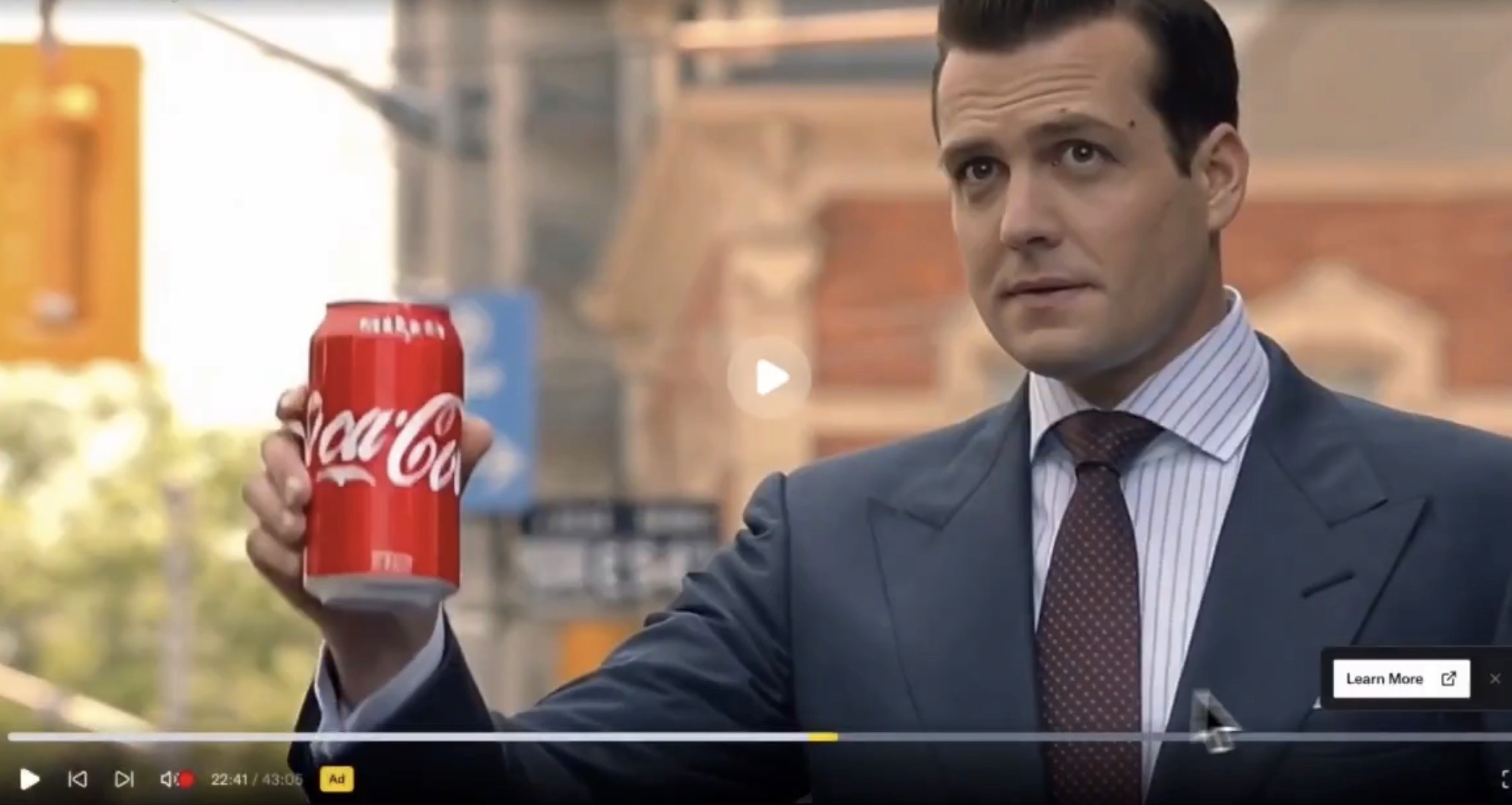
Hidden in the threads of the Grok 4.20 announcement last night was a feature that could fundamentally change how we approach video advertising. It is called Dynamic In-Video Insertion, and it is powered by the new generative capabilities of Grok 4.20.

Author

Author

Oli Yeates

Oli Yeates

For years, "dynamic ads" simply meant showing a different carousel card to a different user. What xAI is proposing is far more radical. We are moving from dynamic targeting to dynamic reality.

What Are In-Video Dynamic Ads?

The concept is deceptively simple but technically complex. Instead of pausing a video to show an ad (the dreaded "ad break"), Grok 4.20 uses real-time generative video processing to seamlessly insert branded elements into the content itself.

Imagine a user is watching a travel vlog on X.

User A (a tech enthusiast) sees a billboard in the background of the video advertising the latest smartphone.

User B (a fashion follower) watches the exact same second of footage, but that billboard now displays a luxury clothing brand.

The video doesn't stop. The content isn't interrupted. But the environment within the video adapts to the viewer's interests in real-time.

Why This Changes the Game

For brands, this solves the biggest problem in modern digital advertising: Interruption Fatigue.

We have spent the last decade fighting for attention spans that are shrinking by the second. We create punchy 6-second bumpers because nobody wants to watch a 30-second spot. This new technology allows brands to exist within the entertainment rather than acting as a barrier to it.

1. Contextual Relevance on Steroids

Grok 4.20 doesn't just know who the user is; it understands the video content pixel-by-pixel. It can identify valid "insertion zones"—a blank wall, a coffee cup, a t-shirt—and render a high-fidelity brand asset that matches the lighting and physics of the scene. 

2. The "Unskippable" Ad

You cannot skip what is part of the story. By integrating products into the visual narrative, brand recall is likely to shift from "annoying interruption" to "subconscious recognition".

3. Programmatic Placement

This opens the door for a new kind of programmatic bidding. You aren't bidding for a slot before a viral video; you are bidding for the real estate inside it.

The Strategic "Watch Out"

Of course, with great power comes great responsibility. The line between clever placement and "uncanny valley" intrusion is thin.

At Clicky, we are already discussing the potential pitfalls. If the insertion feels artificial or distracting, it will damage brand sentiment faster than a bad pre-roll ever could. The success of this format relies entirely on the quality of Grok’s generative rendering. It needs to be imperceptible.

Furthermore, we anticipate strict guidelines on disclosure. Audiences will need to know that the products they are seeing are paid placements, even if they look like natural parts of the scene.

Final Thoughts

This feature from xAI is a clear signal that 2026 will be the year generative AI moves from content creation to content modification.

For our clients, this means we need to start thinking about "asset libraries" differently. We won't just be designing 1920x1080 video files; we will be designing 3D-ready brand assets that can live natively in any video stream.

The ad break is dead? Long live the ad blend??

For years, "dynamic ads" simply meant showing a different carousel card to a different user. What xAI is proposing is far more radical. We are moving from dynamic targeting to dynamic reality.

What Are In-Video Dynamic Ads?

The concept is deceptively simple but technically complex. Instead of pausing a video to show an ad (the dreaded "ad break"), Grok 4.20 uses real-time generative video processing to seamlessly insert branded elements into the content itself.

Imagine a user is watching a travel vlog on X.

User A (a tech enthusiast) sees a billboard in the background of the video advertising the latest smartphone.

User B (a fashion follower) watches the exact same second of footage, but that billboard now displays a luxury clothing brand.

The video doesn't stop. The content isn't interrupted. But the environment within the video adapts to the viewer's interests in real-time.

Why This Changes the Game

For brands, this solves the biggest problem in modern digital advertising: Interruption Fatigue.

We have spent the last decade fighting for attention spans that are shrinking by the second. We create punchy 6-second bumpers because nobody wants to watch a 30-second spot. This new technology allows brands to exist within the entertainment rather than acting as a barrier to it.

1. Contextual Relevance on Steroids

Grok 4.20 doesn't just know who the user is; it understands the video content pixel-by-pixel. It can identify valid "insertion zones"—a blank wall, a coffee cup, a t-shirt—and render a high-fidelity brand asset that matches the lighting and physics of the scene. 

2. The "Unskippable" Ad

You cannot skip what is part of the story. By integrating products into the visual narrative, brand recall is likely to shift from "annoying interruption" to "subconscious recognition".

3. Programmatic Placement

This opens the door for a new kind of programmatic bidding. You aren't bidding for a slot before a viral video; you are bidding for the real estate inside it.

The Strategic "Watch Out"

Of course, with great power comes great responsibility. The line between clever placement and "uncanny valley" intrusion is thin.

At Clicky, we are already discussing the potential pitfalls. If the insertion feels artificial or distracting, it will damage brand sentiment faster than a bad pre-roll ever could. The success of this format relies entirely on the quality of Grok’s generative rendering. It needs to be imperceptible.

Furthermore, we anticipate strict guidelines on disclosure. Audiences will need to know that the products they are seeing are paid placements, even if they look like natural parts of the scene.

Final Thoughts

This feature from xAI is a clear signal that 2026 will be the year generative AI moves from content creation to content modification.

For our clients, this means we need to start thinking about "asset libraries" differently. We won't just be designing 1920x1080 video files; we will be designing 3D-ready brand assets that can live natively in any video stream.

The ad break is dead? Long live the ad blend??

more BLogs

more BLogs