Oli Yeates · 1 May 2026
Social Media for Interior Designers: The Essential Guide
A practical guide to social media for interior designers: which platforms to prioritise, the content that wins clients, and how to turn followers into enquiries.
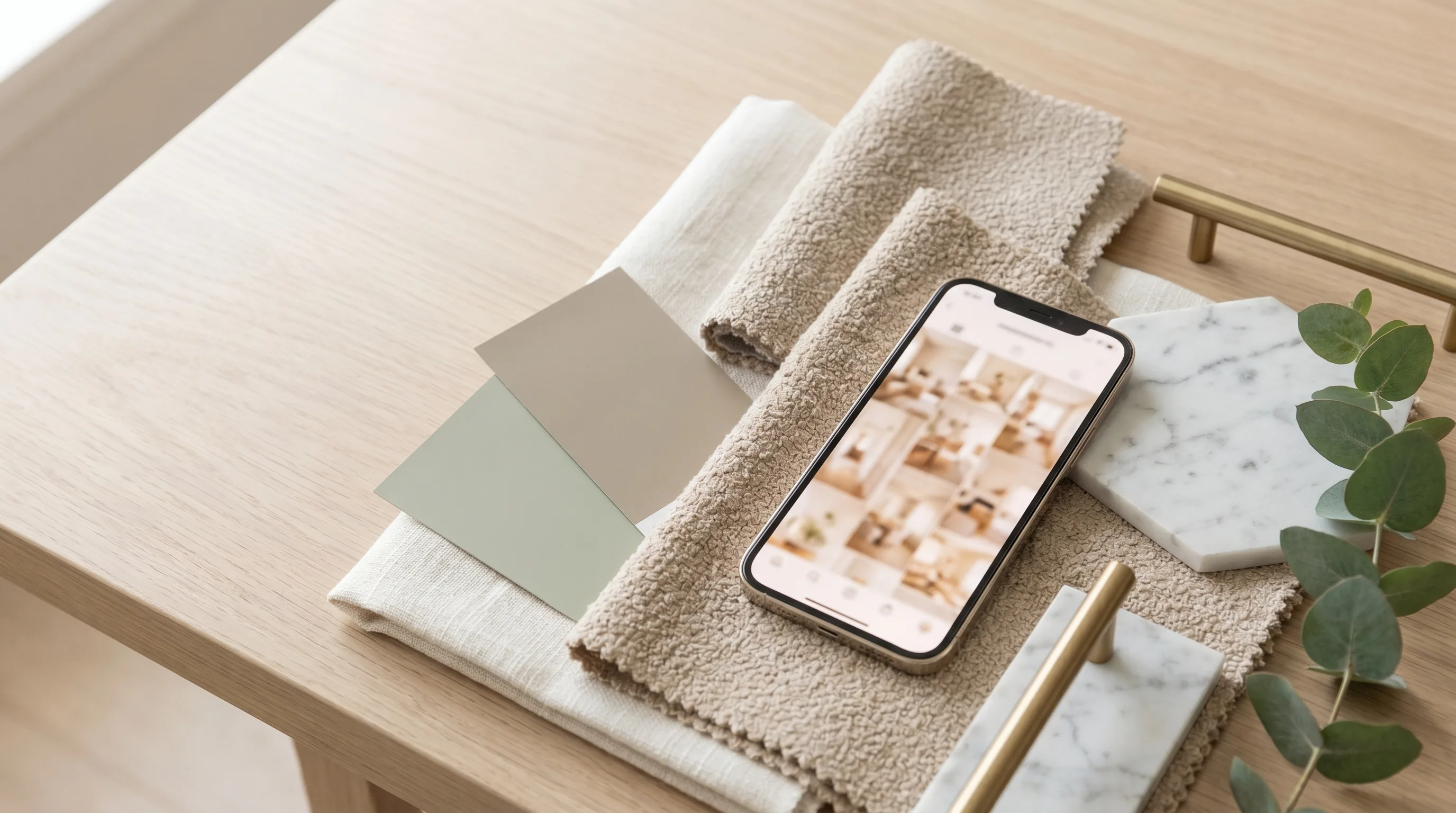
Interior design is a visual business, and social media is where that visual story now lives. Long before a client fills in your contact form, they have almost certainly scrolled your feed, saved a room they loved and decided whether your style suits their home. Get social media right and it becomes your most consistent source of qualified enquiries. Ignore it, and you quietly hand those clients to the studio down the road.
This guide covers the essentials for interior designers: which platforms actually matter, the content that wins work, and how to turn followers into paying clients.
Lead with your portfolio, because the work sells itself
Interiors buyers want proof. The single most powerful thing you can post is your own work, shot well. Before and after transformations, finished room reveals and close-ups of the details you obsess over (the joinery, the tile, the way the light falls in the afternoon). You do not need a film crew either. A clean phone photo taken in good natural light, framed with care, beats a polished stock image every time because it is unmistakably yours.
Choose the right platforms, do not try to be everywhere
You do not need a presence on every network. You need to be excellent on the two or three where interiors buyers actually look. For most designers that means:
- Instagram is the shop window. Reels of room reveals and process clips reach far beyond your followers, while your grid acts as a living portfolio. For most studios this is where enquiries begin.
- Pinterest is a search engine for inspiration rather than a social feed. People plan renovations here months in advance, and a single well-tagged pin can send traffic to your site for years. It is hugely underused by designers.
- TikTok is the fastest route to reach right now. Honest, personality-led process videos and quick design tips travel well, and the audience skews toward people doing up first homes and rentals.
- Houzz is niche but high intent. People browsing Houzz are actively looking to hire, so a complete, well-photographed profile earns its keep.
- LinkedIn is worth the effort if you want commercial, hospitality or developer work rather than purely residential.
Pick where your ideal client spends their time and commit properly. Two platforms done well will always beat five done badly. We covered this in more depth in our guide to choosing the right platforms for your business.
Tell the story, not just the finished room
A beautiful reveal stops the scroll, but the story behind it is what makes people trust you with their home. Show the brief, the awkward problem you solved, the before that nobody else would touch, the moodboard, the samples on the table. Renovation journeys told as a series, or as a carousel that ends on the reveal, consistently outperform a single hero shot. People follow designers they feel they know, and process is how they get to know you. There is real power in storytelling when it comes to social content.
Build a look that is unmistakably yours
Your feed should feel as considered as your interiors. Consistent editing, a recognisable colour palette, the same fonts on your covers and a steady tone of voice all make your work instantly identifiable as it travels through other people’s feeds and saves. Clients are hiring your taste, so let every post be a small advert for it.
Turn followers into enquiries
Reach means nothing if it does not lead anywhere. Make the next step obvious: a clear call to action in your captions, a tidy link in your bio that points to your portfolio or a short enquiry form, and saved highlights that answer the questions every prospective client asks (your process, your areas, what working with you actually looks like). When someone is ready, do not make them hunt for how to get in touch.
Use paid social to amplify your best work
Once a reel or reveal performs well organically, you have proof that the creative works. Putting budget behind your strongest pieces, targeted by location and interest, gets that work in front of far more of the right local homeowners than the algorithm will reach on its own. It is one of the most cost-effective ways for a design studio to generate enquiries, whether through paid social on Instagram and Facebook or TikTok ads.
Measure what actually matters
Likes feel good but pay no bills. The metrics that signal a healthy interiors account are saves and shares (people bookmarking your work for their own project), profile visits, clicks through to your site and, ultimately, enquiries. Track those, double down on the content that drives them, and quietly retire the formats that do not.
How a partner can help
Running a design studio is demanding enough without becoming a full-time content team as well. That is where the right partner earns its place: planning the content, producing reels and edits that match your standards, running the paid campaigns and reporting on the enquiries they generate, so you can stay focused on the work clients hire you for. If you would like a hand turning your social media into a reliable pipeline, talk to us.