Joe Marshall ·
The BIG 2027 Clicky Travel Report
UK holidaymakers are looking past the Mediterranean's busiest names. Albania, Tunisia, Puglia, Slovenia and Montenegro grew summer searches by a fifth or more while Dubai, Turkey and Cyprus fell. The 5 destinations to watch in 2027, our Black Friday predictions, and what travel brands should do.

UK holidaymakers are not giving up on the Mediterranean, but they are looking past its busiest names. Over summer 2026, searches for Albania, Puglia, Montenegro, Slovenia and Tunisia all grew by a fifth or more on summer 2025, while Dubai, Turkey, Cyprus and Greece fell. For travel brands, 2027 is the year to build depth on the alternatives before bigger competitors catch up.
We compared Semrush UK search data for 36 destinations across 2 like-for-like years and set it against the latest research on how and why travellers are choosing where to go. Here is what we found:
- Albania is the breakout destination. Summer searches rose 40% on 2025.
- Italy's growth has moved south. Puglia searches rose 35% over the summer, while Sicily fell 17% and Lake Garda held flat.
- The Balkans are broadening. Montenegro (+22%) and Slovenia (+27%) grew alongside Albania.
- North Africa is splitting. Tunisia rose 40% over the summer while Morocco fell 13%.
- The Gulf and the eastern Mediterranean are losing ground. Dubai summer searches were 42% down, with Turkey and Cyprus each 17% down.
How we measured it
We pulled Semrush UK data for 36 destination search terms from 2 like-for-like snapshots: 15 August 2025 (covering September 2024 to August 2025) and 15 August 2026 (covering September 2025 to August 2026). Monthly figures are estimated by spreading each snapshot's average monthly volume across its 12-month trend values.
We focus on summer (June to August), the peak research season for most short-haul destinations, and show the full 12-month change as a cross-check. Semrush still has no data beyond August 2026, so we will refresh this report when the autumn months appear.
3 caveats are worth knowing:
- Banding. Semrush groups volumes into bands, so 12-month changes of around 18 to 22% can be a single step between bands. We only call a destination rising or falling when the summer and full-year figures broadly agree.
- Data gaps. Egypt, Mexico, Barbados, Vietnam and Krakow each show at least 1 month of zero searches in 2026, which looks like a data gap, so we have left them out of the rankings.
- Searches are not bookings. They show where attention is going, which usually leads bookings by weeks or months.
5 destinations to watch in 2027
Albania, Tunisia, Puglia, Slovenia and Montenegro all grew their summer searches by more than a fifth, and all but Tunisia grew over the full year too.
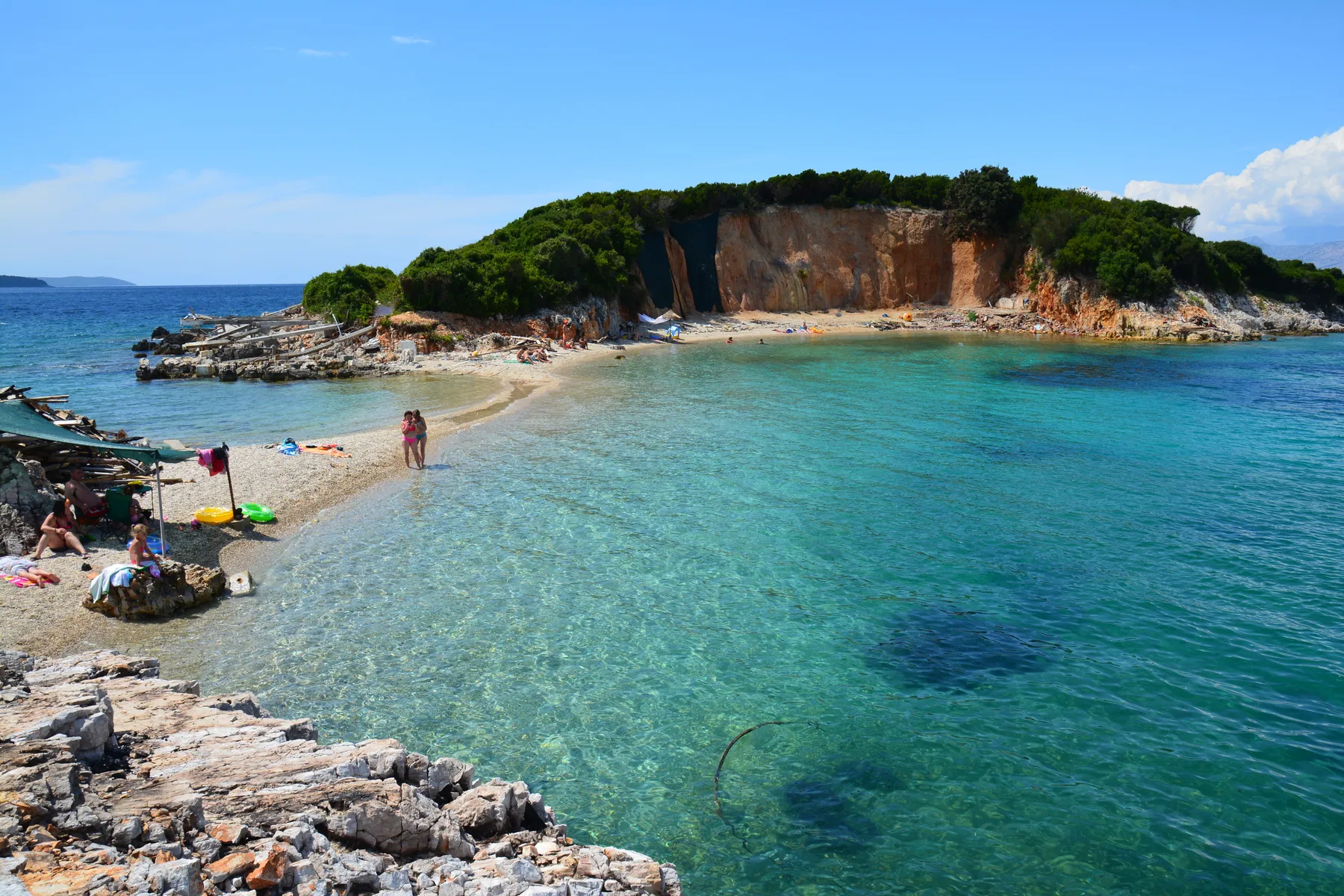
- Albania is the standout: 40% up over the summer and 23% up across the year, averaging around 12,400 searches a month over the summer.
- Tunisia rose 40% over the summer while Morocco fell, suggesting North African value seekers are spreading out.
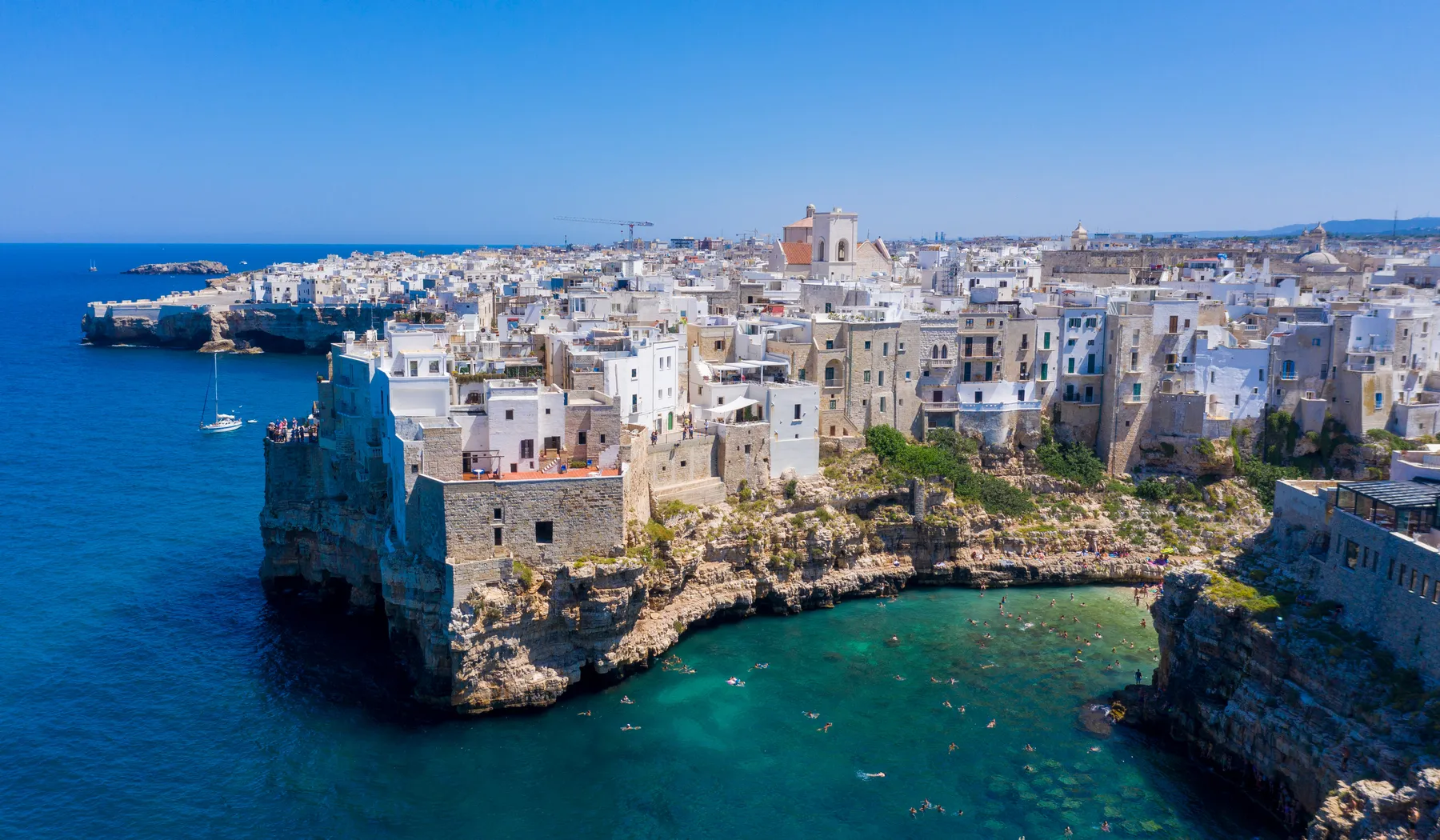
- Puglia grew 35% over the summer and 50% across the year, making it Italy's growth region.
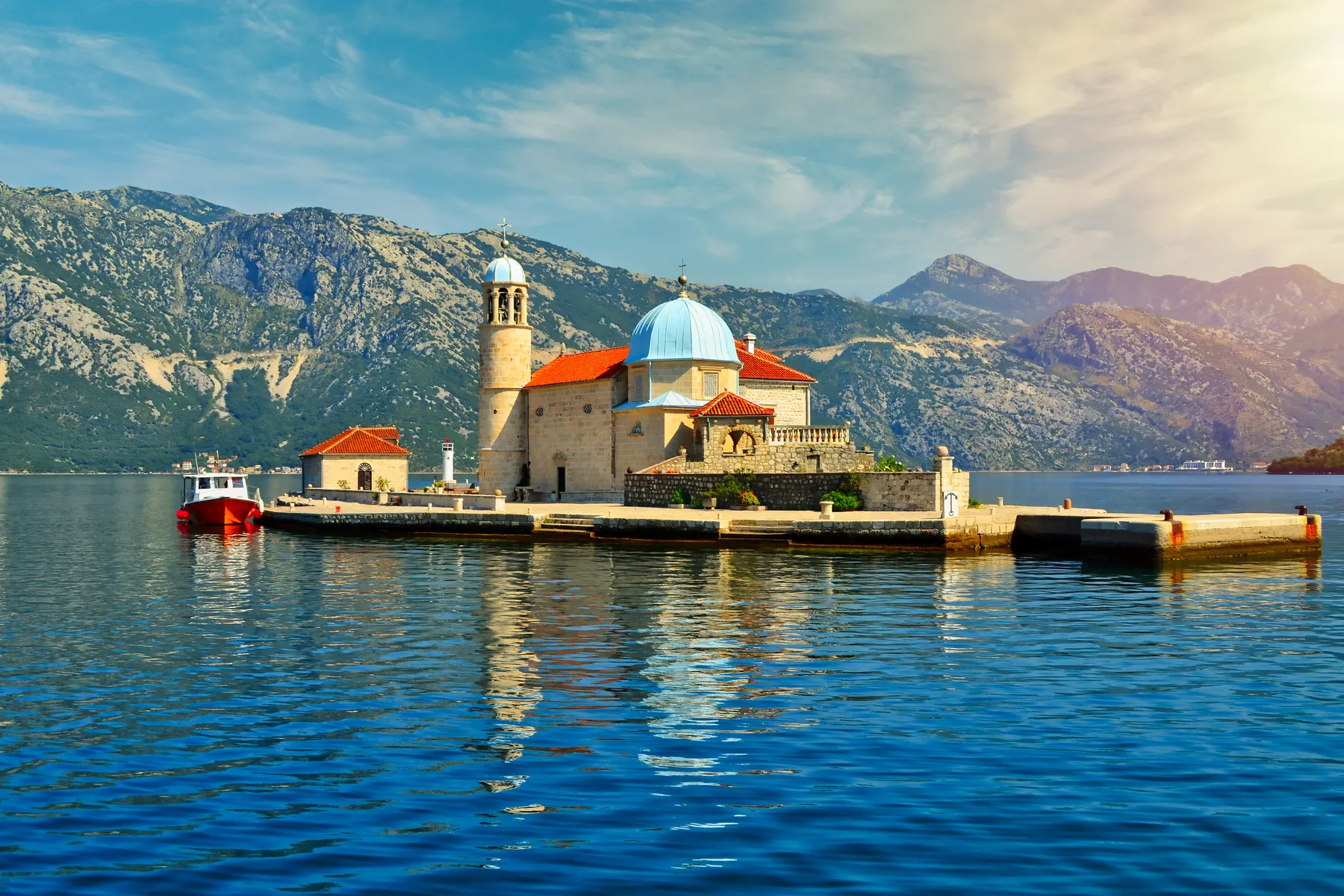
- Slovenia (+27%) and Montenegro (+22%) show the Balkans growing beyond Croatia, which grew just 7%.
Why these places are rising
4 forces sit behind the shift, and most of the rising destinations benefit from more than one.
- Life outside the EES queue. The EU's new Entry/Exit System adds biometric checks at Schengen borders. Holiday Extras says travellers are choosing places outside it, naming Albania, Montenegro and the North African coast (Holiday Extras). Albania, Montenegro and Tunisia are 3 of our top 5 risers.
- Escaping the August heat. Holiday Extras also reports travellers trading Mediterranean August heat for cooler mountain air, with Alpine cities such as Innsbruck and Salzburg rising. Slovenia (+27%) and Norway (+17%) fit the same pattern.
- Second cities and second regions. Growth in Italy is going to Puglia, Palermo, Bari and Verona rather than the classic names. Puglia's rise sits alongside falls for Sicily and a flat summer for Lake Garda.
- Value without going long-haul. ABTA's Holiday Habits research found 21% of holidaymakers plan to book cheaper accommodation next year (Travel Tomorrow). Albania, Montenegro and Tunisia all offer Mediterranean sun at lower prices than Spain, Greece or Italy.
Not every non-EES destination is winning. Turkey and Cyprus are also outside the system, but both fell, which suggests their proximity to the Middle East is weighing more heavily than the border checks.
Losing ground, and the Dubai check-in
The biggest falls are in the Gulf and the eastern Mediterranean, but some long-haul favourites are slipping too. Dubai summer searches were 42% down on 2025, with Turkey and Cyprus each 17% down and Thailand 15% down. New York (-28%) and Cape Verde (-26%) also fell sharply over the summer.
Greece is the one to watch. Summer searches fell 14%, but full-year volume held level, so this may be a later booking pattern rather than lost demand.
Dubai: what the Iran war did to demand, and how far it has recovered
UK searches for Dubai holidays more than halved after the conflict began, and by July 2026 they had recovered only part of the way. Dubai was tracking slightly ahead of 2025 until February. Then it fell off a cliff.
Before the war, Dubai was growing. From August 2025 to February 2026, Dubai holiday and hotel searches were within 3% of the year before, and up 11 to 15% each month from August to October.

The shock came in March. The conflict began on 28 February 2026, when US and Israeli strikes on Iran triggered airspace closures and advice against non-essential travel (AGBI). In March, searches for "is Dubai safe", "is it safe to travel to Dubai" and "Dubai travel advice" hit around 51,800, more than 20 times their autumn level. "Flights to Dubai" briefly spiked to around 67,000 as people tried to change or cancel trips, then dropped to a third below the previous year. Holiday searches hit their low in April, 66% down.
The partial recovery started in June. The FCDO lifted its advice against travel to the UAE in June (loveholidays), and package prices to the UAE fell around 25% year on year for August (FTN News). Searches improved to 41% down in June, then slipped back to 51% down in July. Safety searches were still around 17,100 in July, about 7 times their pre-war level, so the question on people's minds has not gone away.
On the ground, recovery is running ahead of search. Dubai welcomed 869,000 international visitors in August 2026, its best month since the conflict began, and hotel occupancy reached 66%, around 89% of August 2025. That compares with 36% occupancy in March (The National). Year to date, Dubai had 6.97 million visitors by the end of August, against 19.59 million for all of 2025.
UK capacity is the brake. British Airways returned to Dubai on 3 November 2026 with 1 daily flight, against 3 a day before the war, and will not fly to Abu Dhabi until winter 2027 to 2028 (Aviation A2Z). Virgin Atlantic will not return until winter 2027 (AGBI). One Dubai holiday-home operator expects UK bookings to return to pre-conflict levels by early 2027.
The rest of the region followed the same pattern.
| Search term | Aug 25 to Feb 26 vs year before | Mar to Jun 26 vs year before |
|---|---|---|
| Dubai holiday and hotel terms (5 combined) | -3% | -56% |
| abu dhabi holidays | +82% | -55% |
| holidays to qatar | -1% | -60% |
| holidays to egypt | -1% | -32% |
| sharm el sheikh holidays | +52% | -15% |
| flights to dubai | +10% | -10% |
Abu Dhabi was booming before the war and fell just as hard as Dubai. Sharm el Sheikh held up better than most, likely helped by direct flights that avoid Gulf airspace.
Our view on the recovery: search demand for Dubai is at roughly half of normal, while visitor numbers are at close to 90%. That gap suggests the travellers going now are the confident, committed ones, and the wider UK mass market is still waiting. With reduced UK flight capacity this winter, we expect Dubai searches to stay 20 to 40% below 2025 levels through the 2026 to 2027 winter season, with a fuller recovery more likely by summer 2027 if the region stays calm. Early "holidays to Dubai 2027" searches are small but rising, which supports that view.
The Dubai figures above run to July 2026. Our summer figures, to August, put Dubai 42% down on 2025.
Black Friday 2026: what we predict
We expect Black Friday 2026 (27 November) to work as the opening of a long, deposit-led deals season rather than a single big weekend. The value sales it starts will run into January.
What happened last year
- The deals hunt outlasted the day. "Holiday deals" searches more than doubled in November 2025 and stayed up into January, while searches for Black Friday holiday terms themselves were flat.
- It turned into bookings. Barclays card data showed spend with travel agents rose 10.7% year on year in November 2025, with transactions up 31%, the biggest rise since December 2023. Protected Trust Services saw short and mid-haul sales rise about 15%, led by the Canaries and Egypt (Travel Weekly).
What is different this year
- Offers started earlier again. easyJet holidays launched its 2026 Black Friday sale on 29 October, with up to £400 off, £60 per person deposits and departures until October 2028. Tunisia, one of our 5 destinations to watch, is among its featured destinations (easyJet).
- Price is the main barrier. 40% of UK travellers who postponed or abandoned a trip blamed cost (Rus Tourism News, reporting YouGov).
- Fares may rise in 2027. Airline fuel hedges that held down 2026 fares are tapering, and Ryanair has warned summer 2027 fares could rise materially if oil stays high (Holiday Extras).

Our predictions
- A longer season, not a bigger day. Searches for Black Friday holiday terms will be broadly flat on 2025. "Holiday deals" and low-deposit searches will stay high from November through January.
- Bookings will grow, but more slowly. November travel spend will rise again, but not at the pace of 2025's 31% jump in transactions, because more of the demand has already been pulled into October.
- Summer 2027 will be the main thing people buy. With fares expected to rise, low deposits and price locks will persuade people to commit early, even while late booking continues for short trips.
- Value short-haul will lead. The Canaries, North Africa and the Balkans will take a bigger share, which fits the destinations rising in our data.
- Flights and packages will compete harder. Black Friday flight searches doubled in 2025. Expect more people to compare flight-only prices against packages before they book.
These predictions are our judgement from last year's data and this year's early signals, not a forecast model. We will check them against Semrush data and trading updates once Black Friday has passed.
How travellers discover destinations now
More than half of UK travellers (52%) now use AI tools to plan trips, up 12 points in a year and the fastest growth of the 5 European markets MMGY Travel Intelligence tracks. ChatGPT is the most used platform at 35%, and the main job people give it is inspiration and ideas (47%). Social still matters too: 46% say social platforms influence their holiday decisions, led by YouTube and Instagram (MMGY Travel Intelligence).
That matters most for the rising destinations. Someone asking for "somewhere like Croatia but cheaper" or "a cooler alternative to Crete in August" is exactly the traveller who discovers Albania, Montenegro or Slovenia. If AI tools cannot find clear, current content about what you offer there, you are not on the shortlist.

Google is putting ads inside its AI answers
Google is turning its AI search into a paid channel, and the UK is next. On 28 October 2026, Google expanded ads in AI Mode to 10 more countries and said the UK, Brazil and Mexico will follow in Q4 2026. It is also launching multiturn ads in the US, which appear on follow-up questions within an AI Mode conversation (Search Engine Roundtable).
For travel advertisers, 3 details matter:
- There is no new campaign to set up. Existing Search, Shopping and Performance Max campaigns are automatically eligible, using the same auction and cost-per-click bidding (Unite.AI).
- You cannot opt out or target it separately. Ads in AI Overviews and AI Mode cannot be switched off independently of Search, and reporting is folded into standard campaign and search terms reports.
- Travel planning is moving inside Google. AI Mode now tracks flight prices in over 180 countries and, in the US, lets travellers book hotels with partners including Booking.com, Expedia, Hilton and Marriott without leaving Google (9to5Google).
The practical effect is that a traveller asking AI Mode to compare Albania and Croatia could soon see sponsored results inside that answer. The brands that show up will be the ones whose ad copy, landing pages and feeds clearly match long, specific questions, not just short keywords.
For more on shifting budget towards AI answers, owned audiences and better measurement, read our guide: Is your 2027 marketing budget ready for how people search now?
Where the search opportunity is
The rising destinations are cheap to buy and realistic to rank for. "Holidays to Albania" costs about a third of a "holidays to Greece" click, and every destination on our watch list has an SEO difficulty score under 40.
| Search term | Monthly UK searches | CPC (US$) | SEO difficulty (0 to 100) |
|---|---|---|---|
| holidays to albania | 8,100 | 0.30 | 21 |
| holidays to montenegro | 6,600 | 0.54 | 27 |
| puglia holidays | 5,400 | 0.74 | 23 |
| holidays to tunisia | 4,400 | 0.90 | 35 |
| holidays to norway | 2,400 | 0.82 | 23 |
| holidays to slovenia | 1,900 | 0.82 | 25 |
| holidays to greece | 18,100 | 0.91 | 15 |
| holidays to dubai | 18,100 | 0.96 | 38 |
| holidays to turkey | 12,100 | 0.86 | 29 |
| holidays to spain | 9,900 | 0.64 | 29 |
Source: Semrush UK database, latest snapshot, pulled 18 November 2026. CPC as reported by Semrush in US dollars. The bottom 4 rows are established destinations, shown for comparison.
Volumes are smaller than the big names, so the opportunity is in owning the topic early: destination guides, itineraries and "X vs Y" comparison pages that answer the questions AI tools and travellers are asking.
What travel brands should do in 2027
Back the alternatives early, and make sure you can be found wherever the question gets asked.
- Build depth on the risers now. Publish full destination guides for Albania, Montenegro, Puglia, Slovenia and Tunisia before the January peak, while competition and click costs are low.
- Write for comparison questions. Create "X vs Y" and "alternatives to" pages, such as Albania vs Croatia or Puglia vs Sicily, which match how people ask AI tools for ideas.
- Get ready for ads in AI Mode. Review responsive search ad assets, landing pages and feeds now, as existing Search, Shopping and Performance Max campaigns will serve in AI answers without any change on your side.
- Lead with what makes the alternative worth it. Price, cooler weather, shorter queues and fewer crowds are the reasons people are switching. Say so clearly in ads and on page.
- Do not abandon the big names. Greece, Spain and Turkey still carry far more searches. Protect them, but shift some budget towards the growing destinations.
- Answer the Middle East question. For Dubai, Turkey and Cyprus, lead with flight options, financial protection and flexible changes before you sell.
- Track AI visibility. Monitor how often your brand appears in AI answers for your key destinations, not just where you rank on Google.
Talk to Clicky
Still finalising your 2027 plan? Start with Is your 2027 marketing budget ready for how people search now?, which includes 5 questions to ask before you sign it off.
Clicky works with travel and leisure brands across SEO, paid media, content and AI search visibility. If you want a 2027 destination plan built on your own data, get in touch with our team.
About The Big Travel Report
The Clicky Big Travel Report tracks what UK holidaymakers are searching for, using Semrush search data alongside the latest industry research. Each report looks at what has changed, who is winning and losing, and what travel brands should do next. The series continues in 2027.
Sources
- Semrush UK keyword database, 36 destination terms, snapshots dated 15 August 2025, 15 August 2026 and latest (trend data September 2024 to August 2026), pulled 18 November 2026
- Holiday Extras: 2027 travel trends
- Travel Tomorrow: ABTA Holiday Habits 2026 to 2027
- MMGY Travel Intelligence: 2026 Portrait of European Travellers
- Search Engine Roundtable: Google expands ads in AI Mode
- Unite.AI: Google rolls out AI Mode ads in 10 countries, multiturn ads in US
- 9to5Google: AI Mode adds flight price tracking and hotel booking
- Travel Weekly: Agents say value deals will be key to successful peaks
- easyJet: easyJet holidays Black Friday sale 2026
- Rus Tourism News: YouGov finds holiday costs stop 40% of UK trips